
About the Series
As part of CIVIC’s 30th anniversary, we’re highlighting alumni and exploring the unique connections they share through their CIVIC experiences.
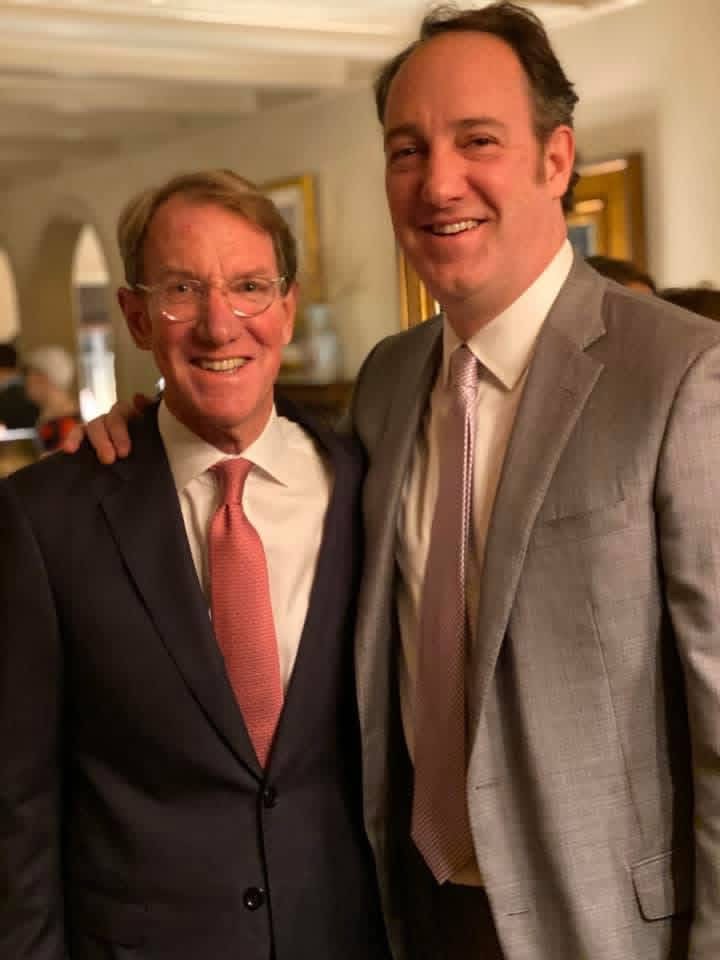
For the Lester family, CIVIC spans generations. Harry Lester (‘96) was part of CIVIC’s inaugural class, helping shape the program during its earliest days, while his son, Whitney Lester (‘13), experienced the well-established leadership program it would become. Though their CIVIC journeys were separated by nearly two decades, both emerged with a deeper understanding of Hampton Roads and a shared appreciation for the relationships that continue long after graduation.
Harry’s introduction to CIVIC came through longtime friends and community leaders Toy Savage and Josh Darden, who were determined to launch a regional leadership program. As a member of the inaugural class, he found himself helping refine the experience from the ground up. Looking back, one of his biggest takeaways was realizing “that a few people can make a difference.” He recalled how several members of that first class were willing to speak up when something wasn’t working and help steer the program in a different direction. Thirty years later, he takes pride in knowing those early efforts helped lay the foundation for a program that continues to impact leaders across Hampton Roads.
For Whitney, CIVIC arrived at a different stage of life. Encouraged by his CEO and supported by his father’s recommendation, he entered the program eager to learn more about the region. What surprised him most was realizing how much he didn’t know. “I didn’t know what I didn’t know when I went through it,” he reflected. Growing up in Hampton Roads, he thought he knew the community well, but CIVIC’s program days provided behind-the-scenes access to industries, institutions, and organizations he had never fully understood. “You get humbled,” he said. “You’re sort of astounded at how little you knew.” Whether touring military installations, learning about regional healthcare systems, or exploring transportation infrastructure, he left each experience feeling better informed about the place he called home.
Both father and son point to the people as one of CIVIC’s greatest strengths. Harry noted that participants learn about aspects of the region they would have little opportunity to experience otherwise. Whitney valued the relationships formed with classmates, many of whom became trusted friends and professional sounding boards. More than a decade later, those connections remain active. In fact, he still regularly crosses paths with CIVIC alumni throughout the community and appreciates having a network of people he trusts across a wide range of industries and sectors.
When asked to complete the sentence “CIVIC taught me that leadership is…,” their answers reflected both their personalities and experiences. Whitney observed that “leadership comes in a lot of varieties” and “lots of different flavors,” but ultimately remains rooted in integrity, communication, and trust. Harry’s answer focused on impact. Through years of involvement with CIVIC and the Darden Award selection process, he has come to define leadership as “making a difference in the community” and investing in causes that strengthen Hampton Roads for future generations.
Looking ahead, both hope CIVIC stays true to the formula that has made it successful for 30 years. Whitney believes one of the program’s greatest strengths is the consistency of the experience across generations of alumni. The format, size, and structure create a common language among participants, allowing alumni from different classes to immediately connect over a shared experience. Harry couldn’t agree more. “If you’ve got something that works,” he said, “don’t mess with it.” Together, their reflections highlight one of CIVIC’s greatest accomplishments: creating a community of leaders that not only spans industries but generations as well.